
FAITHBALL

Narratives, Myths, and Religious Rituals in Football under the Franco Regime and the Shifting Powers in Argentina (1939-1976)

Football has always been more than a game.

 In mid-20th-century Spain and Argentina, it became a mirror of politics, identity, and belief.
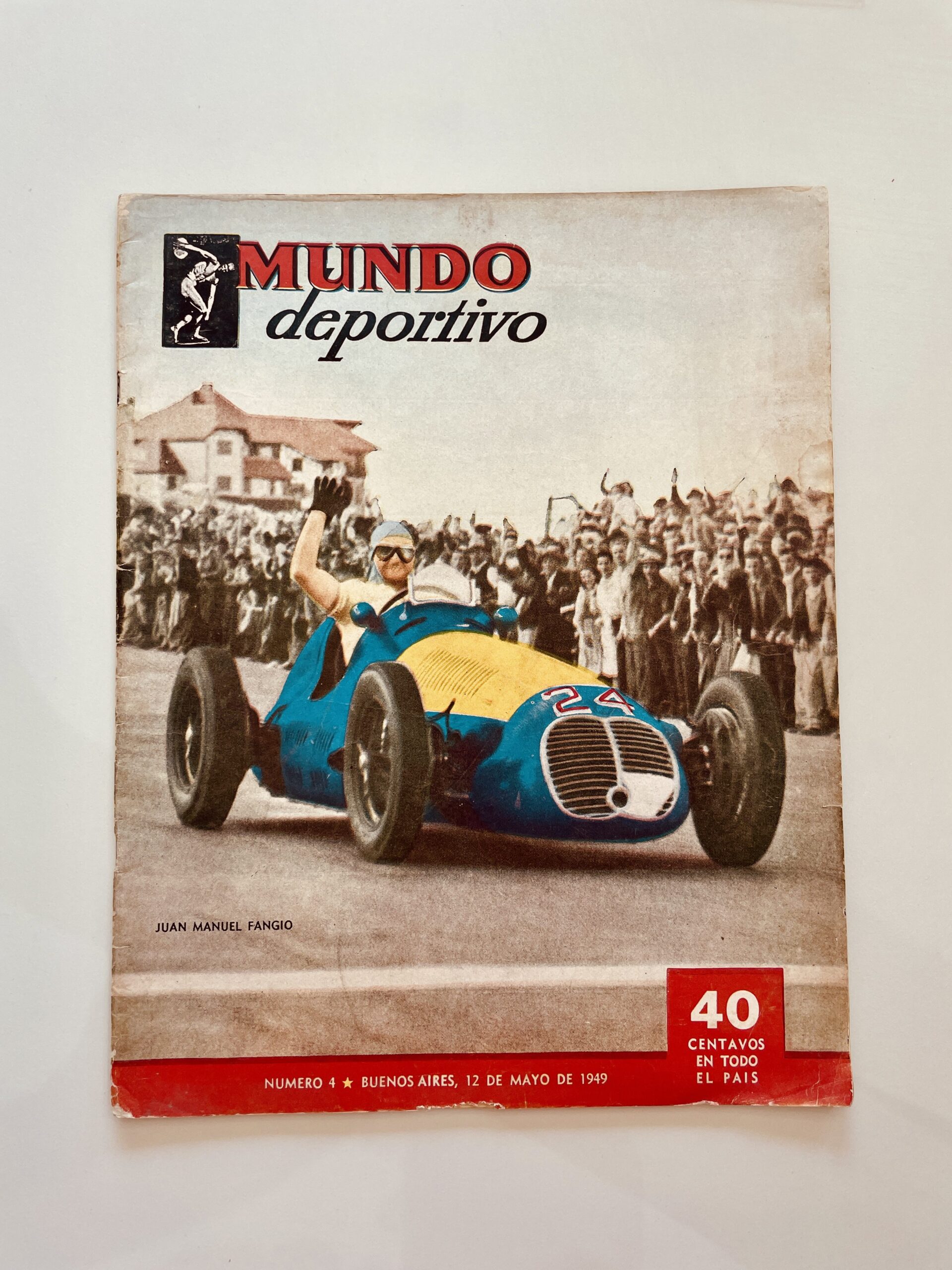
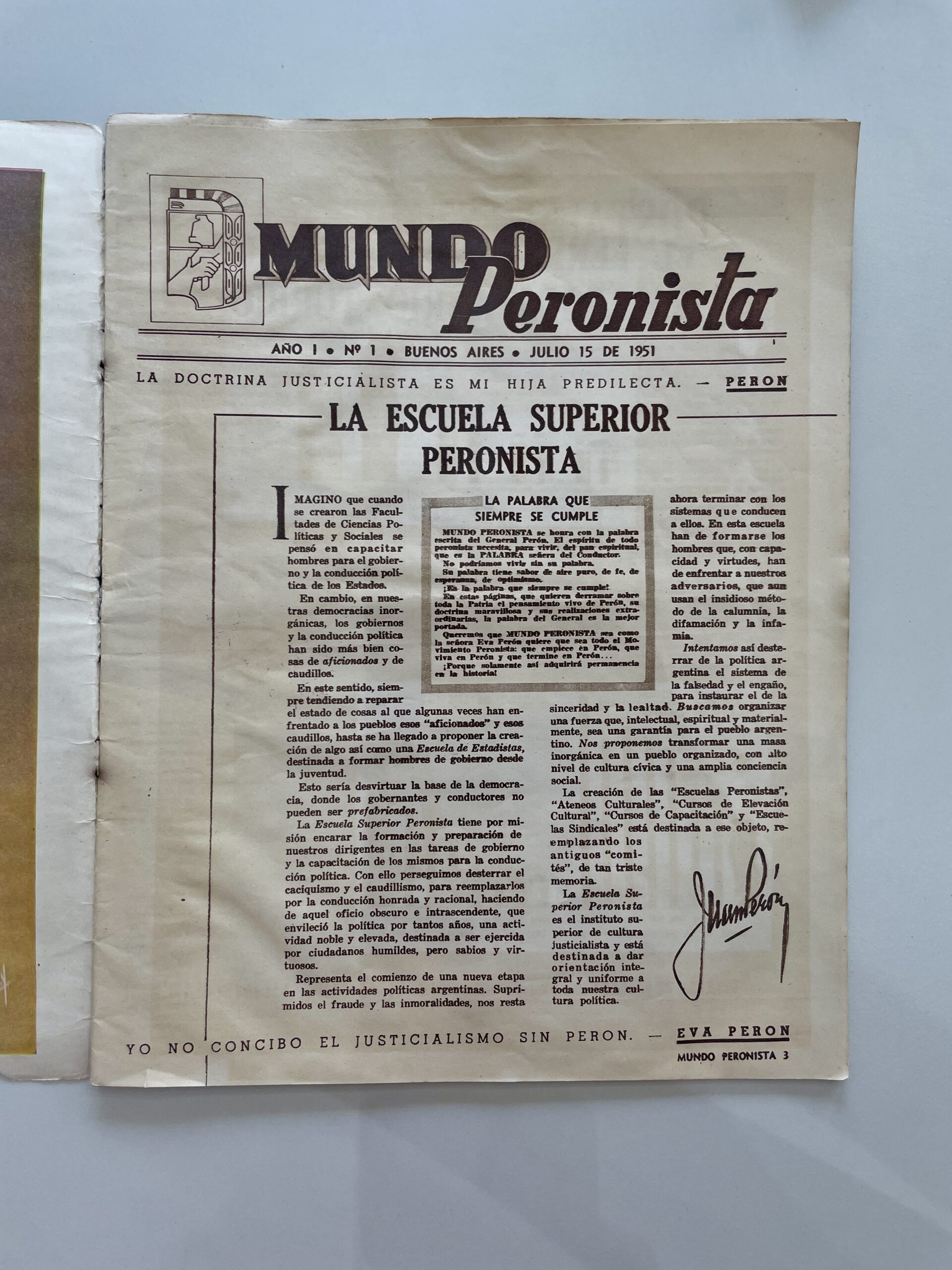
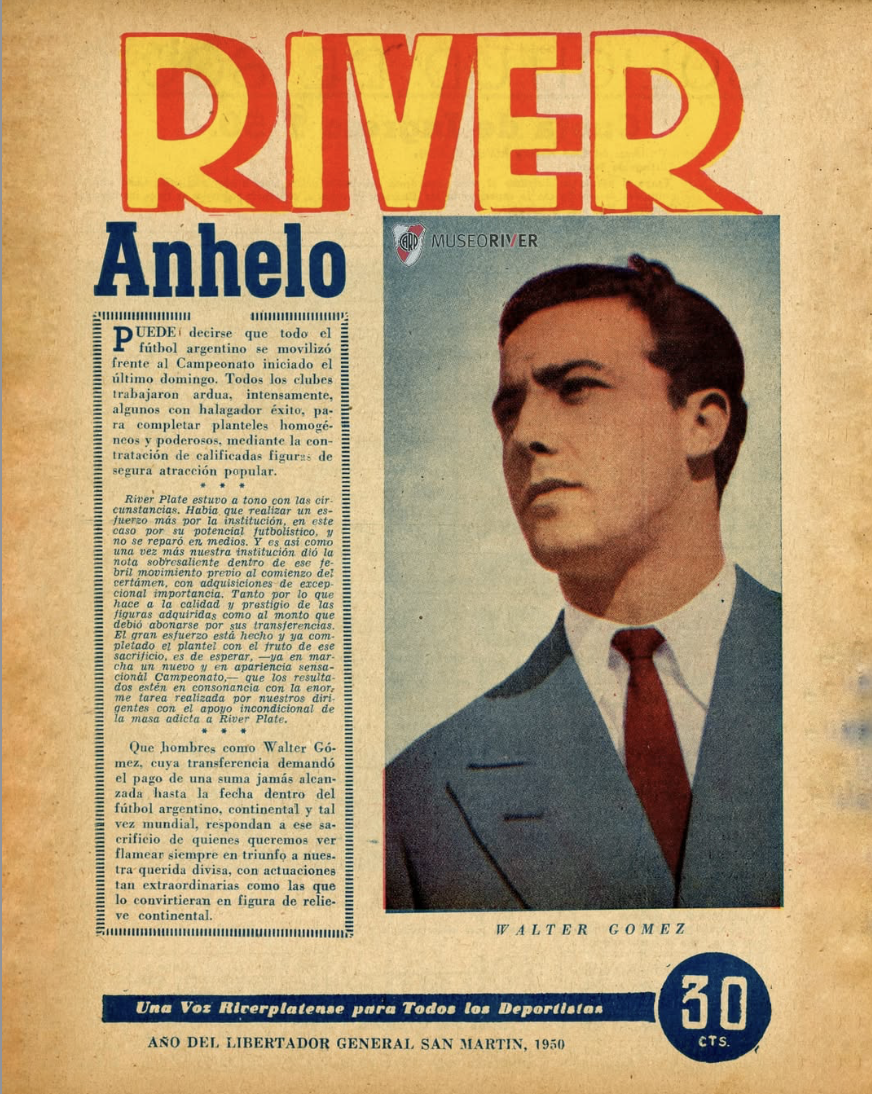
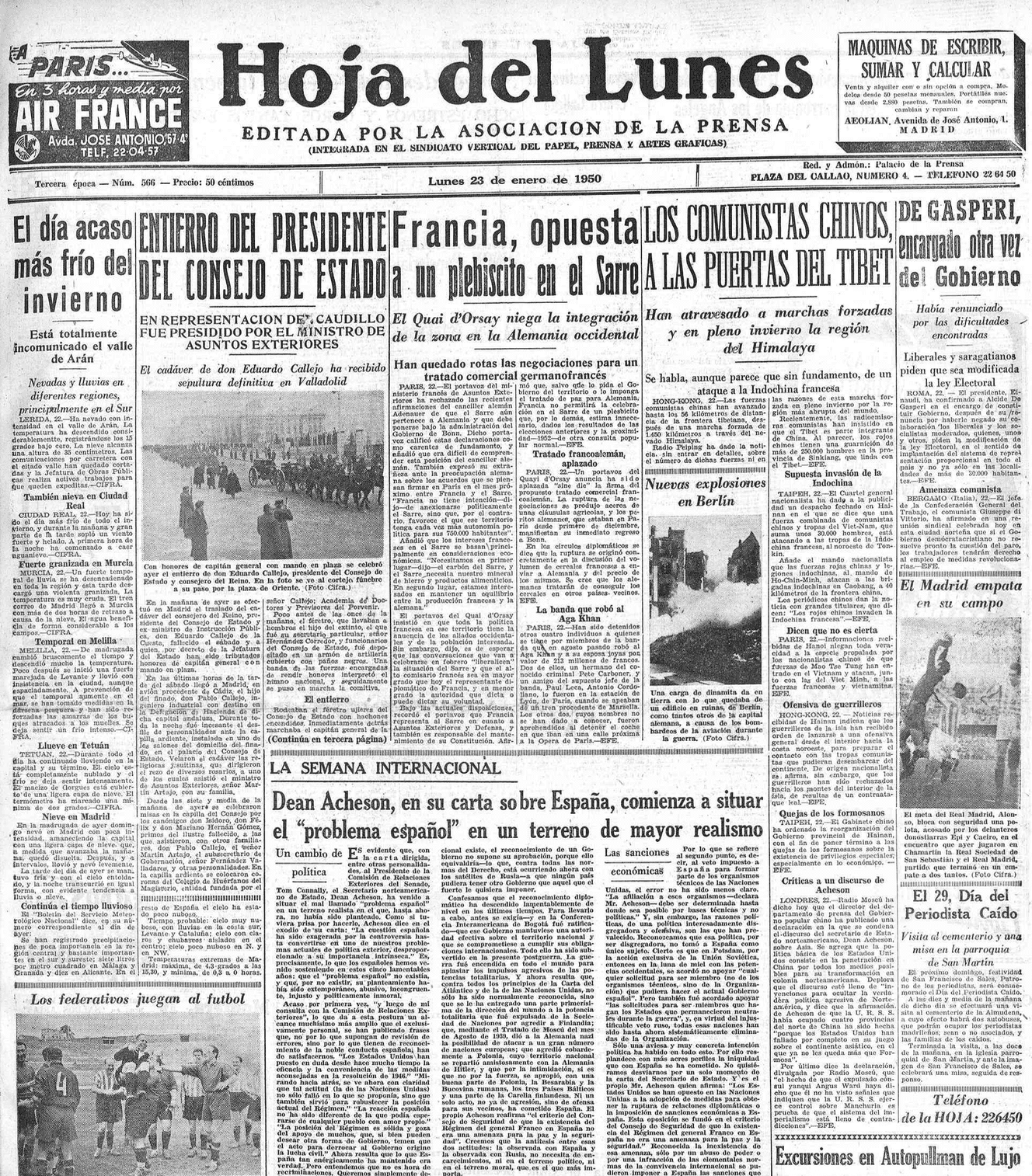
FAITHBALL investigates how football functioned as a space of myth-making, ritual, and political communication during the Franco regime in Spain and the shifting powers in Argentina (1939–1976).
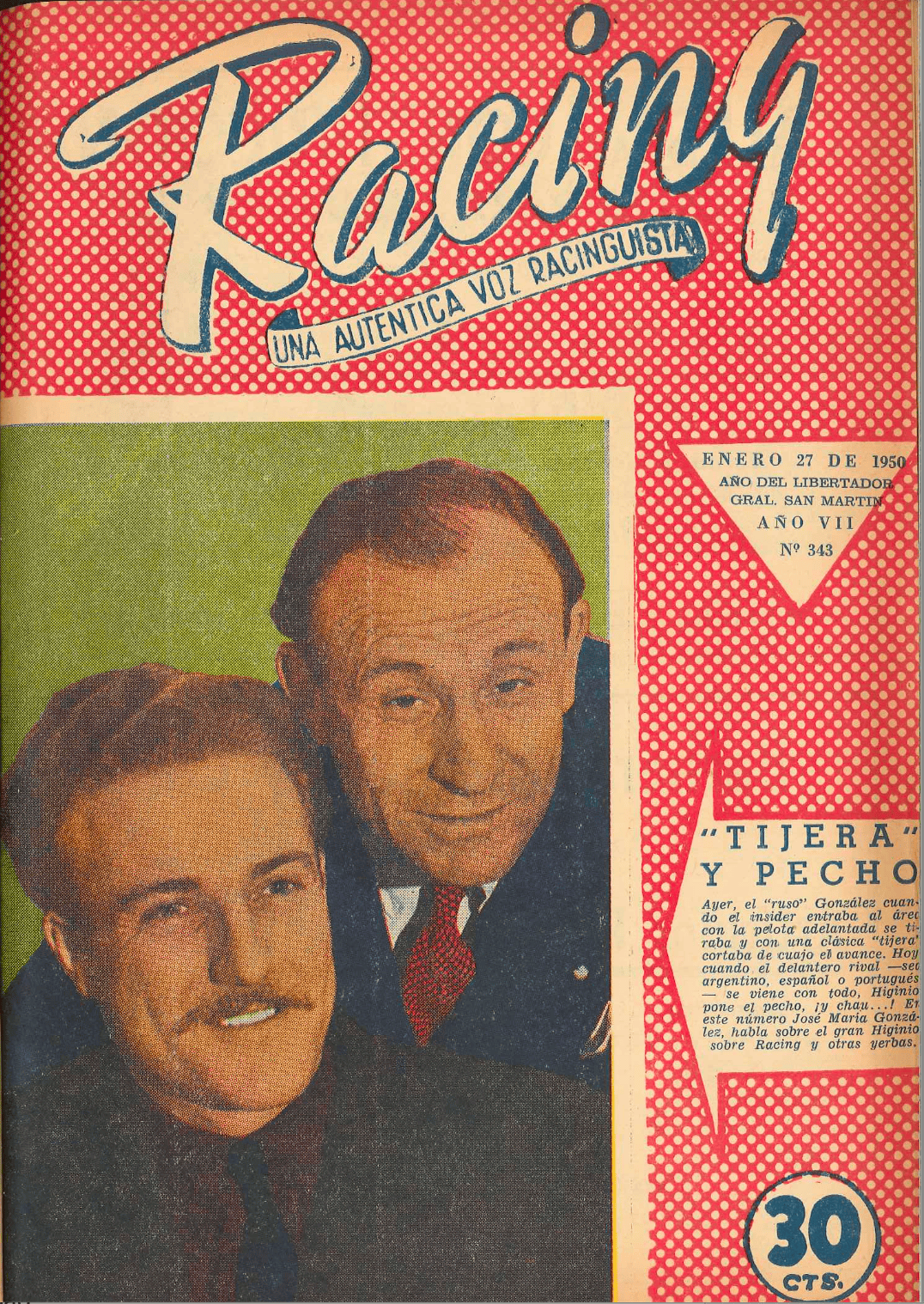
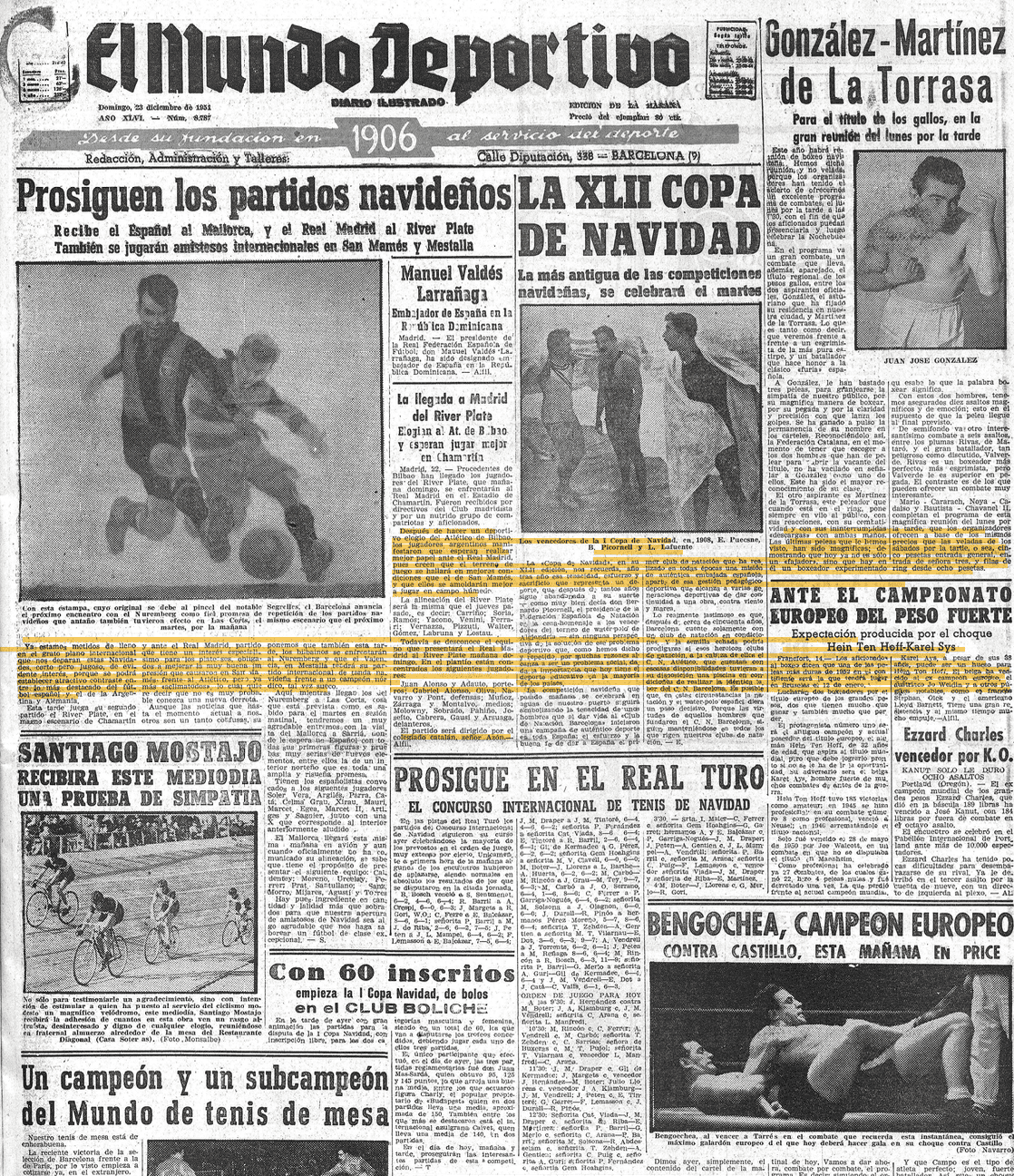
Through an interdisciplinary approach, the project explores how football was used to construct national narratives, inspire collective emotions, and shape ideas of belonging on both sides of the Atlantic.
By examining rituals, symbols, media discourses, and international football diplomacy, FAITHBALL reveals how stadiums, newspapers, and broadcasts became stages for political storytelling.
Coordinated by the University of Modena and Reggio Emilia (Italy), in collaboration with the University of Buenos Aires (Argentina) and the University of Bristol (United Kingdom), FAITHBALL bridges continents, disciplines, and generations to understand how football became one of the most powerful cultural languages of the modern world.

Keep scrolling on Faithball.eu

Check the FAITHBALL TALKS PROGRAM

Faithball Talks is an open seminar series that brings together researchers, journalists, and cultural voices to explore the rituals, narratives, and identities shaped through the beautiful game. Each session offers a fresh perspective on how football connects histories, communities, and transnational experiences between Europe and Latin America.

Keep scrolling on Faithball.eu

Faithball Research Objetives

Football as Diplomacy

Analyse how Spain and Argentina used football as a tool of propaganda, soft power, and international diplomacy between 1939 and 1976.

Narratives & National Identity

Examine how media coverage, rituals, and match-day narratives shaped national identities in both countries during the Francoist and Peronist eras.

Rituals, Myth, and Collective Belief

Investigate the ritualistic, symbolic, and semi‑religious dimensions of football fandom, revealing how the sport fostered cohesion and collective meaning.

Centre–Periphery Dynamics

Explore how football reinforced or challenged regional identities, focusing on the central roles of Madrid and Buenos Aires in national sporting cultures.

Faithball Sources
Great books you should read

As part of the project’s evolving bibliography, here you have a selection of books that are essential for understanding the intersections of football, identity, and transnational discourse. Each title reflects a different perspective—ranging from historical analyses to contemporary reflections—offering readers a multifaceted entry point into the themes that shape our research. By highlighting these works, I aim to foster dialogue, encourage comparative approaches, and provide a foundation for further exploration.

By Julio Frydenberg

A foundational study of how football became a mass social practice in Argentina, shaped by class dynamics and popular culture.

By J.A. Simón

An examination of how the Franco regime used football for diplomacy, propaganda, and international legitimacy.
By Pablo Alabarces

A sharp analysis of how football narratives helped construct national identity in Argentina.

Write to us if you're interested